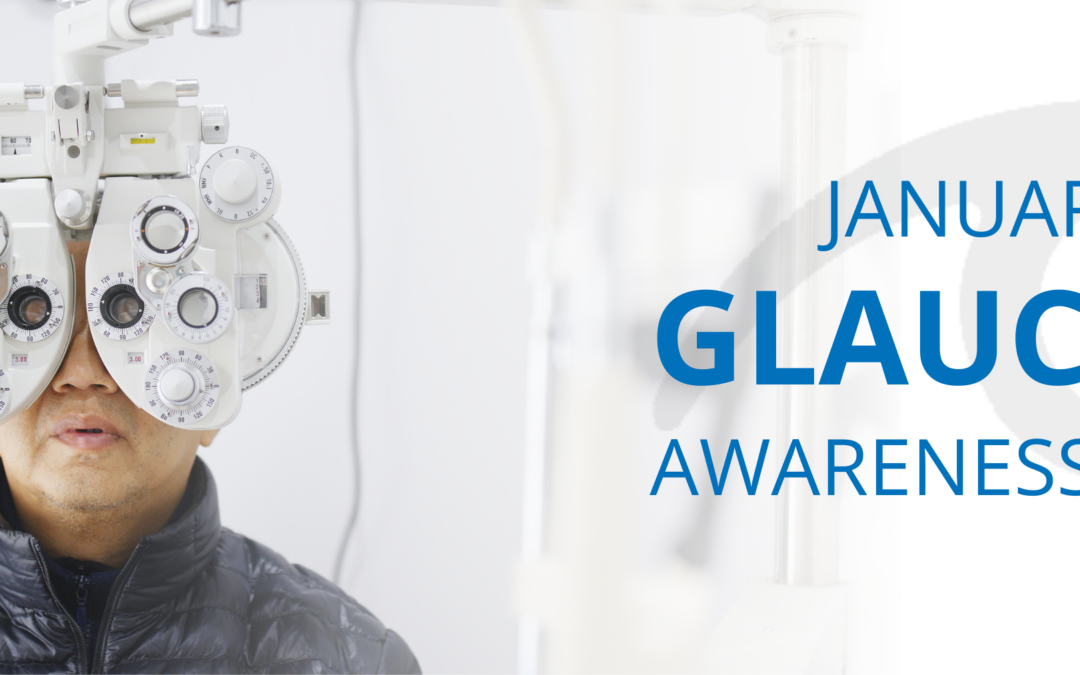
January is Glaucoma Awareness Month, a time dedicated to educating patients about one of the leading causes of irreversible vision loss. At Brooks Eye Associates, we believe awareness, early detection, and ongoing care are the most powerful tools we have to protect your sight.
What is Glaucoma?
Glaucoma is a group of eye diseases that damage the optic nerve, which is essential for good vision. This damage is often caused by elevated eye pressure, though glaucoma can also occur with normal eye pressure. The most common form, open-angle glaucoma, develops slowly and often without noticeable symptoms in its early stages.
Because vision loss from glaucoma is permanent, early diagnosis is critical.
Why Glaucoma Is Called the “Silent Thief of Sight”
In many cases, glaucoma progresses without pain or obvious warning signs. Peripheral (side) vision is usually affected first, and changes can go unnoticed until the disease is advanced. By the time symptoms appear, significant vision loss may have already occurred.
This is why regular eye pressure checks and optic nerve evaluations are so important—even if your vision seems perfectly fine.
Who Is at Risk?
While anyone can develop glaucoma, certain factors increase your risk:
- Age 60 and older
- Family history of glaucoma
- African American, Hispanic, or Asian heritage
- Elevated eye pressure
- Diabetes, high blood pressure, or heart disease
- History of eye injury or long-term steroid use
If you fall into any of these categories, regular glaucoma screenings are especially important.
How Glaucoma Is Detected
Glaucoma is often identified through a combination of clinical findings and specialized testing.
During a glaucoma evaluation at Brooks Eye Associates, your ophthalmologist may include a visual field test to assess peripheral vision, along with other specialized testing. Your evaluation may:
- Measure eye pressure
- Examine the optic nerve in detail
- Test peripheral vision
- Evaluate the drainage angle of the eye
- Use advanced imaging to track subtle changes over time
These tools allow us to confirm a diagnosis, determine severity, and monitor progression accurately.
Take Action This Glaucoma Awareness Month
Glaucoma awareness starts with education—but protection starts with early detection and appropriate care. To learn more about your personal risk, take our quick and easy Glaucoma Self-Test.