Cataract Surgery in
Plano and Las Colinas, TX
The Brooks Eye Associates mission is to provide our patients with the highest quality medical and surgical eye care using the latest in technology and techniques. Our staff consists of certified, highly experienced, and incredibly skilled eye doctors whose goal is to make sure your eyes are functioning properly. We know that your eyesight is priceless, and that’s why we’ve dedicated ourselves to protecting and restoring the vision of patients and cataract care in North Texas, including Plano, Dallas, Frisco and Las Colinas.
What Are Cataracts?
What Causes Cataracts?
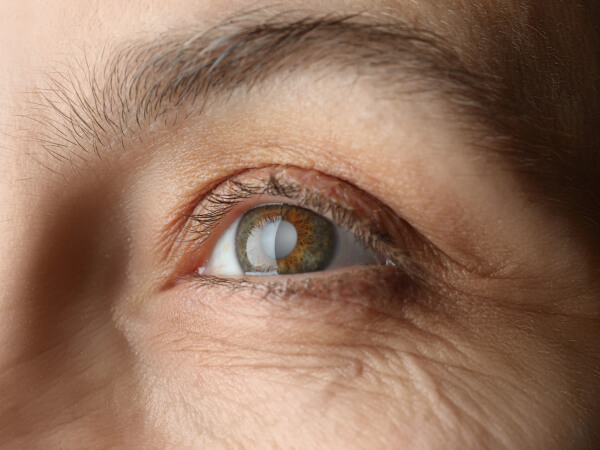
Cataracts are a natural part of the body’s aging process. It affect more than 22 million Americans aged 40 and older, and by age 75, it’s estimated that approximately 70 percent of people have cataracts. As we age, the proteins within our eye’s lenses begin to break down. This tends to begin around age 40, but usually isn’t until around age 60 that most people begin to notice a clouding in their lenses.
Cataract Risk Factors
While the normal aging process is the number one cause of cataracts, other factors can increase your risk of developing cataracts, such as:
- Diabetes: Diabetics have an increased chance of developing cataracts.
- Certain medications: Corticosteroids and some phenothiazine-related medications have been linked to cataracts.
- Smoking: Smoking may influence clouding of the eye’s lens.
- High alcohol consumption: There are studies that have found correlations between high alcohol intake and developing cataracts.
- Deficiencies in nutrition: Some studies suggest that low levels of antioxidants correspond with cataract formation.
- Serious infections: It’s possible for cataracts to develop after an individual suffers a severe infection, such as rubella.
- Eye injuries or surgeries: Cataracts may develop after an eye injury or following an eye surgery.
Cataract Signs and Symptoms
Cataracts can form slowly, and include the following signs and symptoms:
- Blurry, foggy, filmy, or distorted vision
- Faded colors
- Colors appear to have a yellow tint
- Increase in light sensitivity
- Double vision
- Difficulty reading in dim light
- Difficulty driving at night
- Halos and glare around bright lights
- Difficulty with seeing using your eyeglasses or contact lenses
Symptoms of Cataracts Include:






Learn More About Your Lens Options
Monofocal Lenses
Basic Lens
- Covered by insurance or Medicare.
- Does not correct astigmatism.
- Does not focus for near or intermediate (computer) distances.
- Requires glasses for reading and computer use, and possibly distance vision, after surgery.
- Monovision options available.
Not Sure Which Lens Is Right for You?
Choosing the best lens depends on your vision needs, lifestyle, and personal goals. During your consultation, our team will review your options, answer your questions, and help you select the lens that best fits your daily activities and expectations after surgery.


