

Match your eye-care concern to the kind of care you need
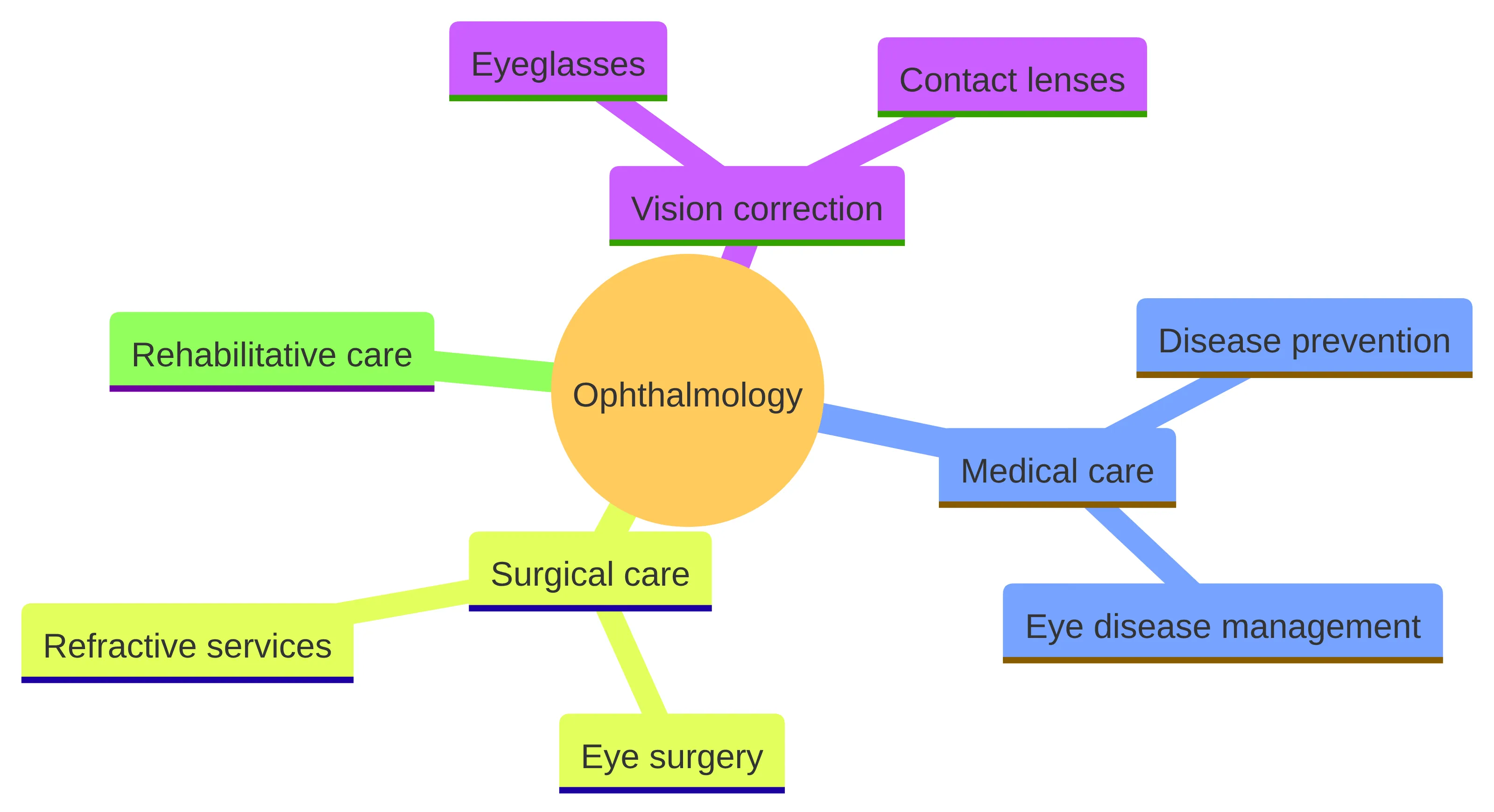
If you live in Frisco and need more than a routine vision-correction question, start by matching the reason for care to the kind of appointment you need. An ophthalmologist is a medical doctor who diagnoses and treats eye diseases, performs eye surgery, and can prescribe and fit glasses or contact lenses. Ophthalmology therefore covers more than a prescription update: it includes prevention, refractive and optical services, eye-disease diagnosis and management, and medical, surgical, and rehabilitative care.
At a general level, a routine vision-correction visit focuses on a prescription or contact-lens question. An ophthalmology appointment can address those needs as well as a medical evaluation, a surgical discussion, or a change in vision that needs explanation. If your concern may involve an eye disease, a procedure, or a medical history that affects your eyes, include that purpose when you request care.
You do not need to decide your diagnosis, surgery timing, or lens choice before making the request. Your first useful decision is narrower: identify what has changed, what you want evaluated, or what procedure you want to discuss. The sections below apply that decision to diabetes-related eye checks, refractive surgery questions, cataract symptoms, lens options, recovery expectations, and the practical distance between Frisco and Plano.
What an ophthalmologist can provide beyond routine vision correction
Ophthalmology can address both vision correction and medical or surgical eye care. An ophthalmologist can diagnose and treat eye diseases, perform eye surgery, and prescribe or fit glasses and contact lenses. The specialty also includes disease prevention, management of eye conditions, refractive services, and rehabilitative care.
That broader scope means a glasses or contact-lens question does not by itself determine which type of appointment fits you. The deciding detail is the wider purpose of the visit. You may want an evaluation of a medical condition, an explanation for a vision change, a discussion of cataract treatment, or an assessment before refractive surgery. State that purpose when you request the appointment.
A useful way to prepare is to finish this sentence before you contact the practice: “I want an appointment to discuss…” Complete it with the concern that brought you to search. You might name cataract symptoms, a diabetes-related eye check, a possible eye disease, or a surgical question. This gives the scheduling conversation a clear starting point without requiring you to label the condition yourself.
If you have diabetes, regular eye checks are recommended, and an ophthalmologist can be part of that care. That example shows why an appointment can be appropriate even when cataract surgery is not your immediate concern.
You can use the same approach for other medical or surgical questions: describe the reason for the visit, explain what you want assessed, and let the ophthalmology team determine which evaluation fits. Avoid choosing a procedure from a search result alone. The purpose of the first appointment is to connect your question with an examination and a professional discussion.
The same routing principle applies if your concern is less specific. A change in clarity, difficulty with a visual task, or a question about an existing eye condition is enough to explain why you are contacting an ophthalmology practice. Describe the symptom or question in ordinary language, then allow the clinical visit to establish what needs attention.
From cataract symptoms to an individualized lens discussion
Let cataract symptoms, rather than a preselected procedure or lens, frame the first question. Cataract surgery is often considered when cataracts begin interfering with daily activities such as driving, reading, or seeing well at night.
For a Frisco reader considering Brooks Eye Associates, describe the visual changes and daily tasks that prompted the search, then request a cataract evaluation or a discussion of options. That gives the ophthalmologist a clear starting point without deciding online whether surgery is needed or which lens should be chosen.
The examination is the next decision point: cataract evaluation and lens discussions require an individual examination and conversation with an ophthalmologist. The purpose is to connect the symptoms and visual needs to the findings of that visit, not to diagnose yourself from a general description.
The distinction between ophthalmology and routine vision correction is best understood as a difference in the question you bring, not a rule that separates every service. Ophthalmologists can prescribe and fit glasses or contact lenses, while ophthalmology also includes diagnosis, disease management, surgery, and rehabilitation. If your appointment may involve any of those broader concerns, include that information in your request.
For a Frisco-area appointment, write down three details before you contact the practice:
- what you want evaluated;
- which daily activity or visual task prompted the question; and
- whether you are asking about medical care, surgery, or lens options.
These details help you communicate clearly while leaving diagnosis and treatment decisions to the examination. They also make it easier to distinguish a request for general vision correction from a request that may require medical or surgical eye care.
When cataract symptoms warrant a conversation about options
If you have cataract symptoms, bring the changes you have noticed to an ophthalmology conversation. Driving, reading, and seeing well at night are examples of activities that may be affected. You can use the activity that has changed as a clear way to describe why you want an evaluation.
Not everyone with cataracts needs immediate surgery. That does not mean you should decide the next step from symptoms alone; it means the timing of surgery depends on how the cataract affects your vision and daily life, along with what an ophthalmologist finds during an examination.
A cataract conversation is therefore appropriate when you want to understand what is changing, whether an updated prescription may address mild symptoms, or whether treatment options should be discussed. You can request that conversation without arriving with a preferred procedure or implant already selected.
If cataracts are affecting your daily life or you are interested in premium lens options, we encourage you to schedule a consultation. That consultation is a place to describe the activities you want to continue comfortably and the visual priorities behind your questions. It is not a substitute for an examination, and it does not establish your surgical suitability before you are evaluated.
Bring the question that matters most to you. You might want to know whether the time is right to discuss surgery, whether an updated prescription should be considered first, or how premium lenses relate to your visual needs. A focused question gives the appointment a useful starting point while keeping the clinical decision individualized.
Changes in daily activities can also help you explain the practical effect of your symptoms. Note whether you are avoiding night driving, holding reading material farther away, or finding familiar tasks more difficult. These observations do not diagnose a cataract, but they give the ophthalmologist a clearer account of what prompted your request.
What an individualized cataract evaluation can address
Our cataract evaluation process may include a comprehensive eye examination, pupil dilation, biometry, and imaging of the cornea and retina. These parts of the visit give our ophthalmology team information to discuss your eye health, visual needs, and possible cataract-care options.
The examination matters because a lens decision cannot be made from the word “premium,” a general symptom description, or an online comparison. Measurements and clinical findings provide the basis for the next conversation. If a pre-operative visit is part of your care, our pre-operative cataract appointment usually takes one to two hours.
You can make the appointment more productive by bringing a concise description of what you notice. Explain whether reading, driving, or night vision has become more difficult, and say whether you are seeking a general evaluation or specifically want to discuss cataract surgery. Keep the description factual. You do not need to diagnose the cause of the change.
The purpose of this evaluation is to connect symptoms and measurements with an individualized discussion. Mild cataract symptoms may sometimes be managed with an updated eyeglass prescription, while cataracts that interfere with everyday activities may prompt a conversation about surgery. Those are general care considerations, not a conclusion about your eyes.
Ask what the examination shows, which options relate to your visual priorities, and what decision remains for you after the findings are explained. This keeps the conversation focused on your circumstances instead of turning a general cataract description into a personal treatment recommendation.
You can also separate the questions that belong before an examination from those that belong after it. Before the visit, ask what the evaluation covers and what information to bring. After the findings are explained, ask how they relate to treatment timing, lens categories, and any follow-up discussion. That order keeps the process understandable without asking you to make a clinical decision in advance.
How lens discussions follow the examination
After a comprehensive eye exam, our discussion of premium lens options considers your needs and refractive disorders. The sequence matters: examination first, lens conversation second.
Premium options can include categories such as multifocal and toric lenses. Your discussion should connect the option with the visual tasks you value, the refractive questions identified during the examination, and the tradeoffs the ophthalmologist explains.
You can prepare for this conversation by considering how you want to use your vision after treatment. Think about the activities you want to discuss, the glasses or contacts you use now, and any concern that led you to search for cataract care. Bring those priorities to the examination rather than selecting an implant before the clinical discussion.
Useful lens questions include:
- Which lens categories relate to the visual goals I described?
- How do my refractive disorders affect the discussion?
- What findings from the examination shape the options?
- What should I understand about the expected role of glasses or other visual correction after treatment?
These questions help you compare the options presented during your appointment without turning a general category into a personal recommendation. For current coverage details, verify benefits, plan participation, deductibles, and coinsurance with your insurer; ask Brooks Eye Associates about applicable cataract and premium-lens charges when requesting an appointment.
A lens category is only one part of the discussion. The useful comparison is between the visual goals you describe and the options the ophthalmologist explains after reviewing your examination. Keep that comparison personal and specific rather than assuming that a lens marketed for one purpose will address every visual priority.
Cost questions should be handled as a separate practical check from the clinical lens comparison. Before scheduling, contact your insurer to verify the benefits that apply to the care you are considering. Ask whether the plan participates with Brooks Eye Associates, whether a deductible or coinsurance applies, and how the plan handles cataract-related care and premium-lens charges. Request information for your specific plan rather than relying on a general benefit summary.
When you request the appointment, ask Brooks Eye Associates to confirm the applicable cataract and premium-lens charges. You can describe the appointment you want—such as a general cataract evaluation, a surgery discussion, or questions about IOL options—without selecting a lens in advance. Keeping these questions separate makes the process easier to follow: the ophthalmologist addresses examination findings and visual goals, the insurer explains plan benefits, and Brooks Eye Associates confirms charges relevant to the appointment. If a coverage answer or estimate is not available before the examination, treat that as an item to clarify rather than assuming that a benefit description or lens category determines your final cost.
Write down the insurer’s answers and the questions you still need to ask the practice. This financial check does not determine whether surgery or a lens is appropriate; it helps you prepare practical questions alongside the clinical ones.
What to ask about the procedure and early recovery discussion
Our cataract-surgery information describes a procedure that uses a sedative, topical anesthesia, a small corneal incision, and insertion of the new lens through that opening. It states that stitches are not required for the small incision. The procedure itself takes about 20 to 30 minutes.
Those details describe the procedure itself, not the total time you may spend at the facility or the full course of care. Use your appointment to ask how the surgical visit, preparation, and follow-up apply to you. A short procedure time should not be treated as a complete recovery schedule or as a prediction of your individual experience.
Ask the ophthalmologist to separate the steps of the procedure from the practical plan around it. You may want to understand what happens before the procedure, what the surgical description includes, how the lens is inserted, and what instructions apply after you leave. This gives you a more complete basis for deciding what you still need explained.
Our cataract-surgery information states that vision may take a few days to noticeably improve after surgery. That early recovery point gives you a practical question to raise: what should you expect during the first days, and which follow-up instructions apply to your procedure?
Before deciding, ask the ophthalmologist to explain:
- what happens before and during the procedure;
- what the early recovery discussion covers;
- when follow-up care is expected; and
- which questions should be answered before you select a lens or schedule surgery.
Keep the recovery discussion connected to your own examination and care plan. A general timeline can help you form questions, but it does not replace instructions given for your circumstances. If your main concern is returning to a particular activity, name that activity so the discussion addresses the practical issue you are trying to plan for.
Plan for care in Plano when you live in Frisco
We are located in Plano, and we welcome patients from Frisco and surrounding areas of Texas. If you live in Frisco, the relevant geographic question is whether you can plan care at our Plano practice for the evaluation, discussion, and follow-up that your ophthalmology needs may require.
This location detail lets you make a practical decision without treating proximity as a clinical ranking. Consider the travel involved in an examination, a possible pre-operative visit, and follow-up conversations. Then describe your location and reason for care when you request an appointment so the scheduling discussion begins with the right context.
Our service-area information includes Frisco among the surrounding communities we welcome. That does not determine whether a particular procedure, lens, or appointment is appropriate for you. It answers the access question: you can contact a Plano-based practice about ophthalmology or cataract-related care while living in Frisco.
A clear request might identify cataract symptoms, an interest in premium lens options, or a need to understand the evaluation process. You can also say that you want general ophthalmology care if your question is broader. The goal is to begin with the concern that brought you to the practice and leave diagnosis, candidacy, and lens selection for the appropriate clinical discussion.
Think about the location as part of your care plan rather than as a test you must pass before requesting an appointment. If an examination or follow-up requires travel from Frisco to Plano, include that practical question when you contact us. The scheduling conversation can then address the appointment you are seeking.
What to have ready before requesting an appointment
Before requesting an appointment, prepare a short list that explains what you want from the visit. Include:
- Your main question: for example, cataract symptoms, a general ophthalmology concern, or premium lens options.
- The visual tasks affected: note whether driving, reading, or seeing well at night has become harder.
- Your care goal: say whether you want an evaluation, a discussion of cataract surgery, or information about IOL options.
- Your location: identify that you are contacting the Plano practice from Frisco.
- Your questions: write down what you want explained about the examination, lens discussion, procedure, or early recovery.
This list is a communication aid, not a diagnostic form. Its immediate use is to help you give the scheduling team a concise reason for the visit and help you remember the subjects you want to raise with the ophthalmologist.
If cataract care is the concern, expect the discussion to follow an examination. Our cataract evaluation may include a comprehensive eye exam, pupil dilation, biometry, and imaging of the cornea and retina. Our premium lens discussion follows that examination and considers your needs and refractive disorders.
You therefore do not need to arrive with a final lens preference or a decision about surgery. Bring the question, the activities that matter to you, and the information you want explained. The appointment can then address whether the concern is appropriate for cataract care, what options may be discussed, and which next decision belongs to you after the examination.
If you are requesting care for a reason other than cataracts, use the same preparation method. Write down the change or question, the goal of the visit, and any procedure or medical condition you want to discuss. A concise request is enough to start; the examination and conversation provide the next level of detail.
Request the evaluation that fits your next question
If you live in Frisco, our Plano practice is an option for an ophthalmology appointment, including a conversation about cataract symptoms, evaluation, surgery, or premium lens options. We welcome patients from Frisco and surrounding areas of Texas.
Use your reason for care to shape the request: describe the visual change or medical question, mention the activities affected, and say whether you want general ophthalmology care or cataract-related information. You do not need to decide your diagnosis, surgery timing, or lens choice before that conversation.
When you are ready to provide those details and begin the scheduling step, use the appointment request.
Questions to clarify before contacting an ophthalmology practice
What should I consider when choosing an ophthalmologist in Frisco?
When selecting an ophthalmologist, consider the specific reason for your visit, such as cataract symptoms, diabetes-related eye checks, or refractive surgery evaluations. Clearly communicate your concerns when scheduling an appointment.
How can I prepare for my appointment with an ophthalmologist?
Before your appointment, prepare a list that includes your main question, any visual tasks affected, your care goals, and your location. This will help you communicate effectively with the scheduling team and the ophthalmologist.
What does a cataract evaluation at Brooks Eye Associates involve?
A cataract evaluation may include a comprehensive eye examination, pupil dilation, biometry, and imaging of the cornea and retina.
When is cataract surgery typically recommended?
Cataract surgery is often recommended when cataracts interfere with daily activities such as driving, reading, or seeing well at night. If symptoms are mild and do not affect daily life, an updated eyeglass prescription may suffice.
What types of lens options are available for cataract surgery?
After a comprehensive eye exam, your ophthalmologist will discuss various premium lens options, including multifocal and toric lenses, tailored to your specific visual needs and refractive disorders.
How can I contact Brooks Eye Associates for an appointment?
You can contact Brooks Eye Associates by calling (972) 403-1110 to schedule an appointment. Be prepared to discuss your specific eye care needs and any symptoms you are experiencing.
What should I expect during the recovery period after cataract surgery?
After cataract surgery, vision may take a few days to noticeably improve.